8 hr
El Nido Island Hopping: Lagoons & Beaches Tour A
Discover Bacuit Bay's hidden lagoons, pristine beaches, and vibrant coral reefs on this full-day cruise.
Reserve
Five limestone islands in a single day, towering karsts framing emerald water
Hand-picked by our editors — only the best 12 island-hopping experiences from 47 reviewed.
Verified partners for El Nido Tour a tours, free cancellation where available, and instant confirmation on every booking.
8 hr
Discover Bacuit Bay's hidden lagoons, pristine beaches, and vibrant coral reefs on this full-day cruise.
Reserve
7 hr
Journey through hidden lagoons, limestone cliffs, and coral-rich waters in Bacuit Archipelago
Reserve
9 hr
Explore pristine lagoons, coral reefs, and powdery beaches on this full-day adventure through El Nido's islands.
ReservePrices from verified partners. Availability updates in real time at checkout. Free cancellation policies apply where shown.
Every El Nido Tour a tour side-by-side — duration, what's included, how you redeem.
| Experience | Duration | Rating | Skip-the-line | Guide | Small group | Free cancel. | Price | |
|---|---|---|---|---|---|---|---|---|
|
Guided Experience Most popular
El Nido Island Hopping: Lagoons & Beaches Tour A
|
8 hr | ★ 4.4 | ✓ | ✓ | ✓ | ✓ | €21 | Book → |
|
Guided Experience
El Nido Tour A – Island-Hopping Adventure
|
7 hr | ★ 4.4 | ✓ | ✓ | ✓ | ✓ | €22 | Book → |
|
Guided Experience
El Nido Island Hopping Tour A
|
9 hr | ★ 4.5 | ✓ | ✓ | ✓ | ✓ | €22 | Book → |
All prices from verified partners. Availability and exact terms confirmed at checkout.
They complement each other; most visitors who do both call El Nido Tour A the more tranquil excursion, while Tour C provides a more adventurous open-sea journey.
| Feature | Top pick El Nido Tour A | El Nido Tour C |
|---|---|---|
Primary focus |
Lagoons and limestone cliffs | |
Lagoon count |
Three | |
Snorkeling quality |
Moderate | |
Beach accessibility |
High | |
Physical intensity |
Low to moderate | |
Crowd levels |
High | |
| See tickets → |
Verdict: If you prioritize calm swimming in turquoise lagoons, el nido tour a tickets are your best choice, but opt for the offshore reefs of Tour C if you prefer superior coral exploration on these island hopping tours.
Choose your ticket, select your date, and reserve in under two minutes. Secure checkout handled by our verified partner.
Instant confirmation by email, with a mobile voucher you can save offline. No printing, no queuing at a collection desk.
Arrive at the entrance, show your voucher on your phone, and walk in. Most tickets include priority or skip-the-line access.
Practical details for El Nido Tour a tickets straight from our verified partners — hours, access, rules, and how to get there.
Wear swimwear and quick-dry clothing. Bring a light waterproof jacket and reef-safe sunscreen to protect El Nido island ecosystems.
Use dry bags to protect electronics from salt water. Security checks may occur at the pier before your el nido tour a begins.
Bring a waterproof camera or phone pouch for lagoon shots. El Nido Tour A photography is best captured in the morning to avoid heavy midday shadows.
The boat-based nature of el nido tour a presents challenges for those with limited mobility. Discuss specific boarding needs with your operator before booking.
Mobile phones are permitted. Keep ringer off inside exhibition spaces.
Families should bring life vests for children. The lagoon water in el nido tour a is typically calm and suitable for younger swimmers.
A buffet-style lunch is included with your el nido tour a. Bring a reusable water bottle to reduce plastic waste on the islands.
Pets are not allowed, with the exception of service animals with appropriate documentation.
Last entry is typically 1 hour before closing. Check the specific ticket for timing.
Best time to go, insider tips, nearby landmarks, and the cancellation fine print — flip through to skim what matters to you.
Flexible, no hidden fees.
Check with your specific operator for window terms. The 400 PHP Eco-Tourism Development Fee is generally non-refundable once processed as it supports local environmental projects.
The five-stop route that defines island tourism in northern Palawan was never planned as a circuit.
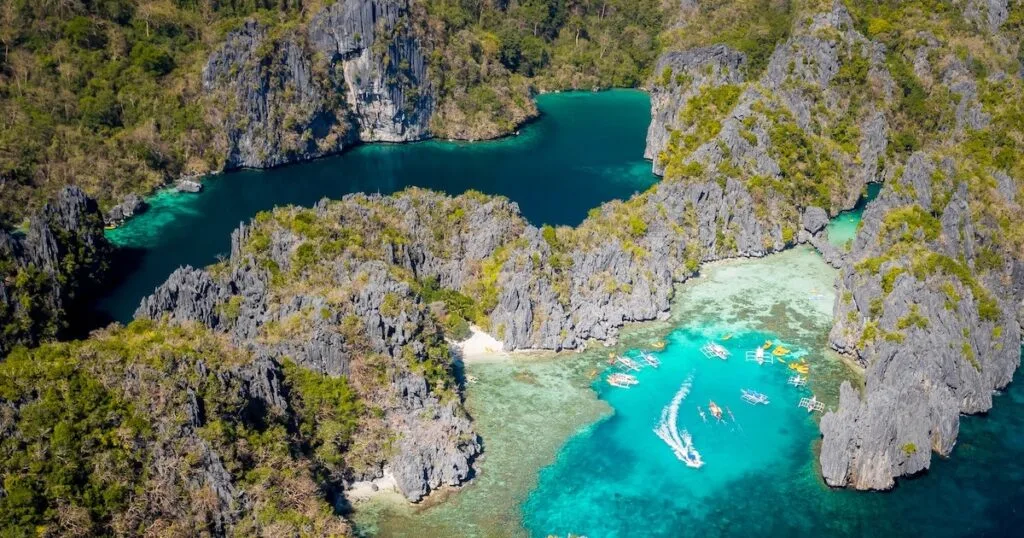
Big Lagoon, Small Lagoon, Secret Lagoon, Shimizu Island, and 7 Commando Beach entered the itinerary piecemeal through the 1990s, each site added by outrigger operators who noticed which limestone formations held the calmest water and the clearest snorkeling corridors. By 2003 the municipal tourism office formalized the sequence as Tour A, anchoring it with a mandatory Eco-Tourism Development Fee that funds reef monitoring and waste collection across the Bacuit Bay archipelago. Today the route carries more daily visitors than any other El Nido tour package, its success driven by geographic concentration—all five stops lie within a six-kilometer radius, reachable inside eight hours even when swell slows the outriggers.
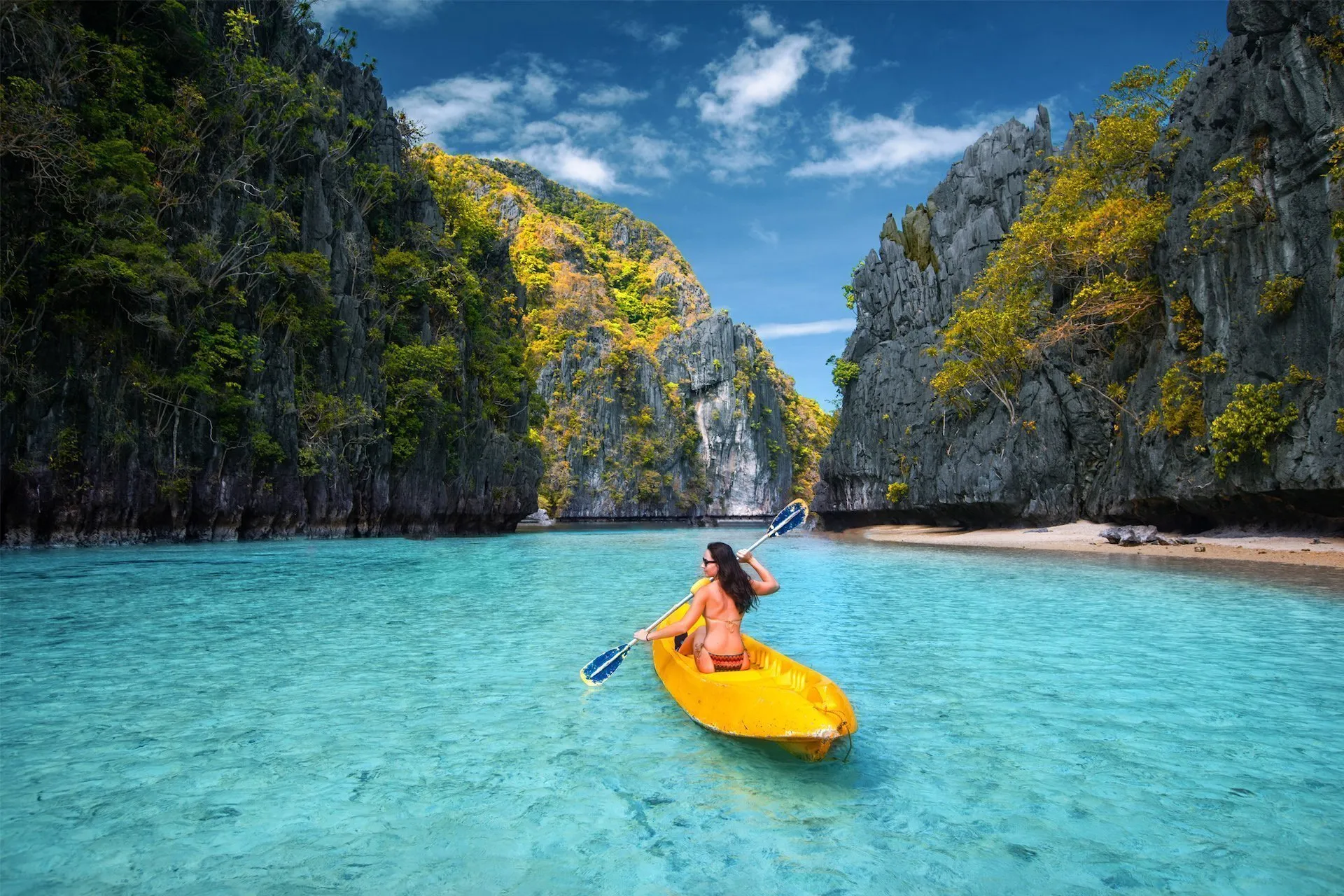
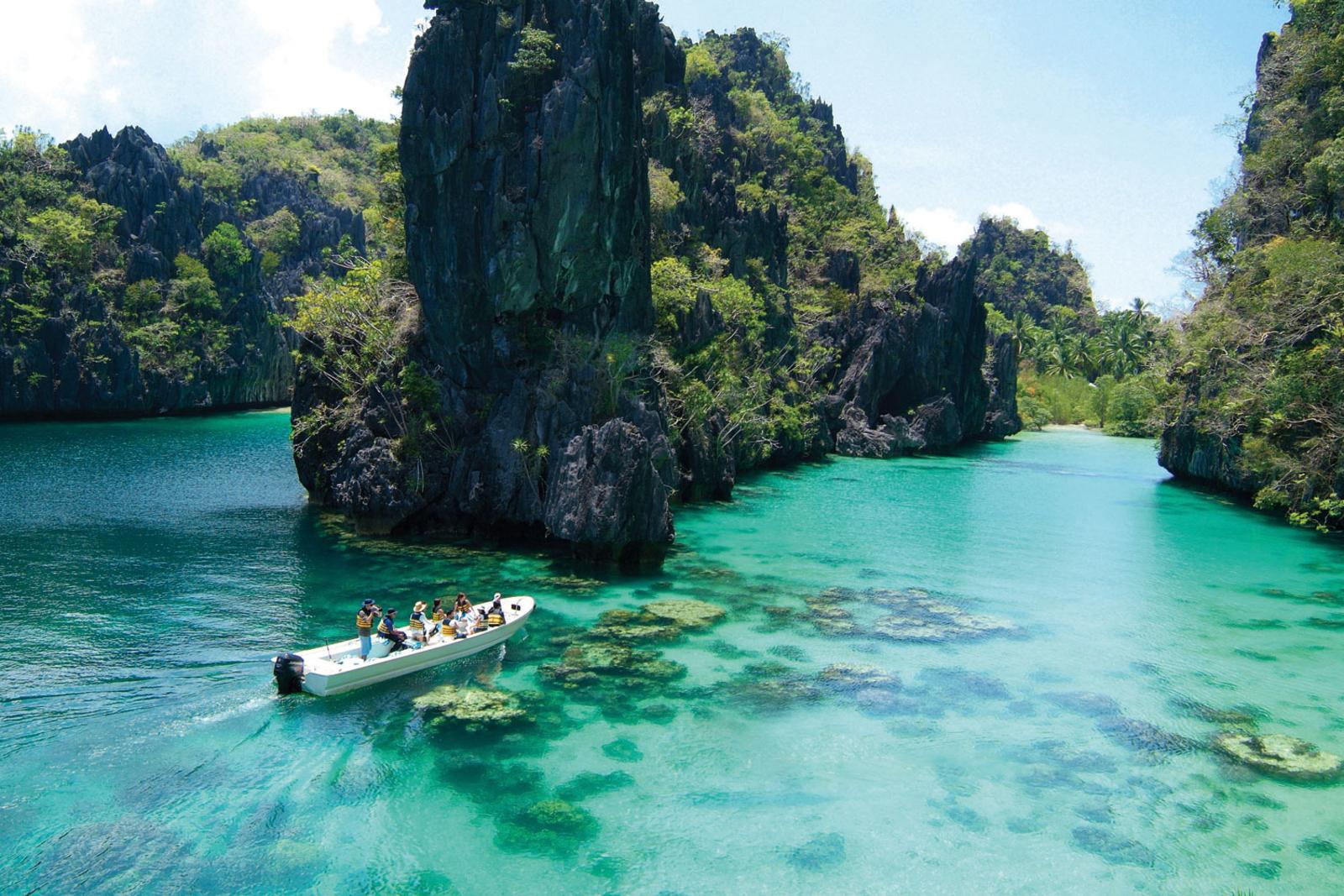
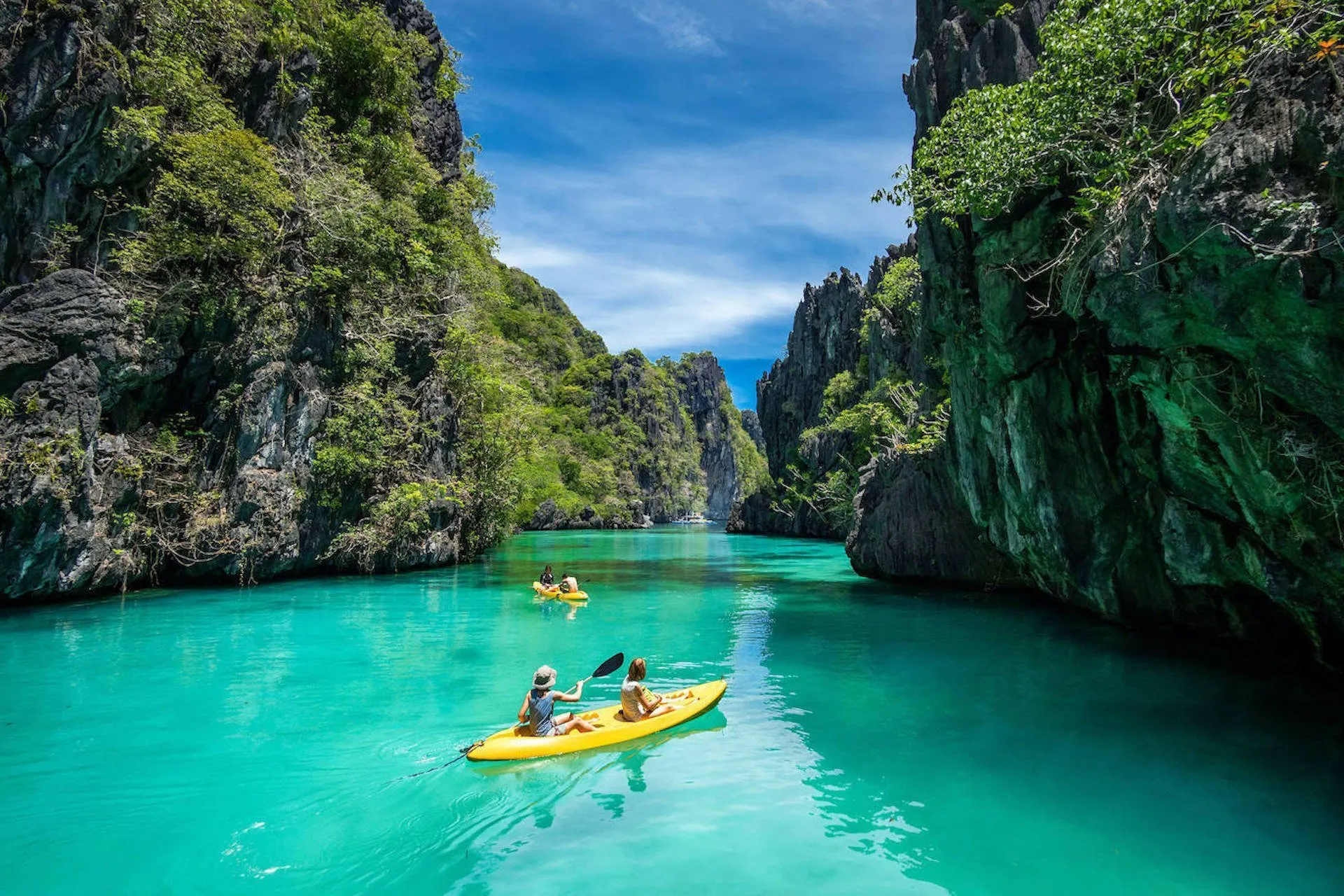
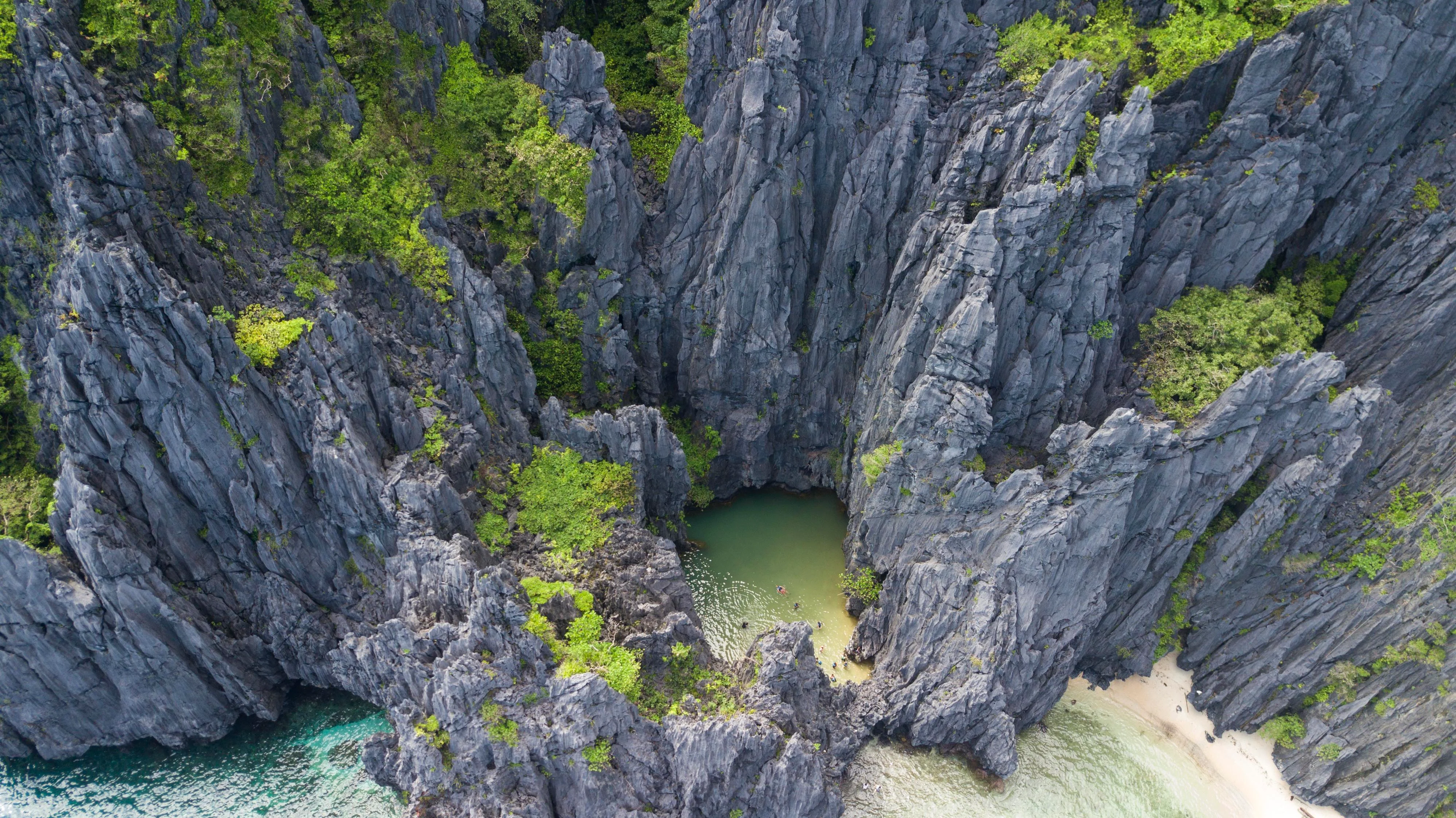
Big Lagoon and Small Lagoon bookend the experience, each enclosed by near-vertical karst walls that rise 150 to 200 meters above the waterline. Big Lagoon opens wide enough for outriggers to drift in formation, its turquoise shallows deepening to jade where freshwater seeps mix with tidal flow. Small Lagoon narrows to a fissure barely three meters across at its entrance, navigable only by kayak or by swimming through the rock corridor. The contrast defines the el nido tour a itinerary—one lagoon built for scale, the other for intimacy. Secret Lagoon, discovered in the late 1980s when a fisherman followed a fissure through the Miniloc Island cliff face, requires a low-tide window and a chest-deep wade through the entry crevice. Inside, a circular pool fifty meters wide opens to the sky, its walls draped in staghorn ferns and pitcher plants that root in crevices too narrow for soil.
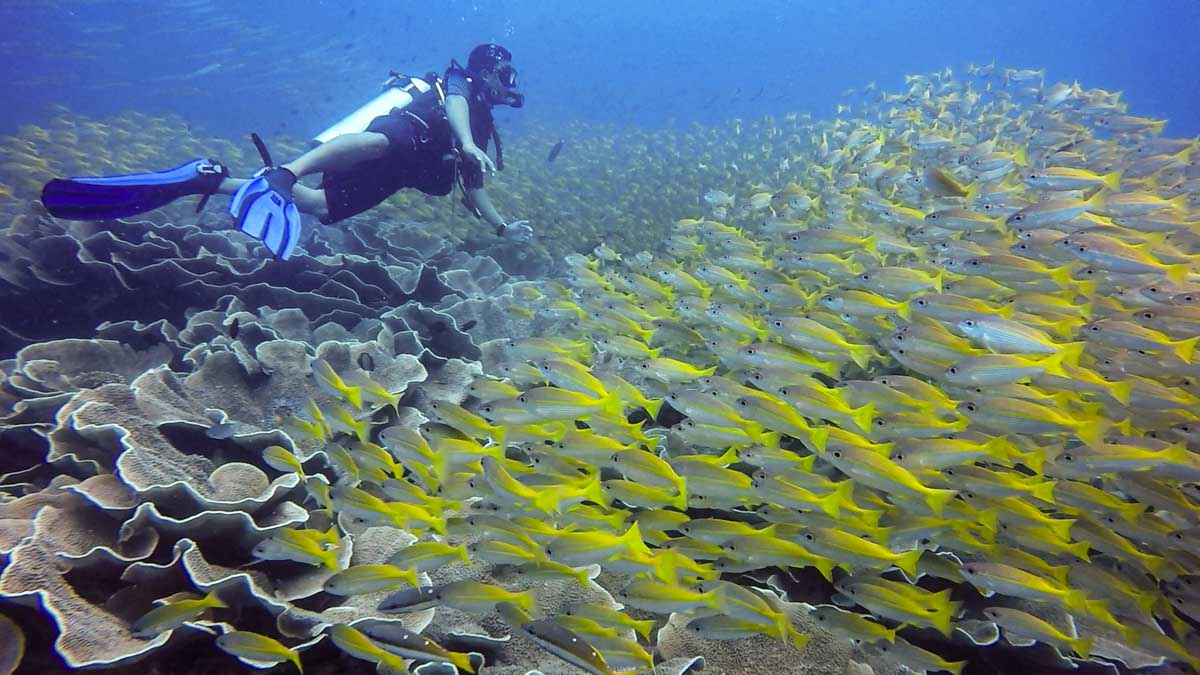
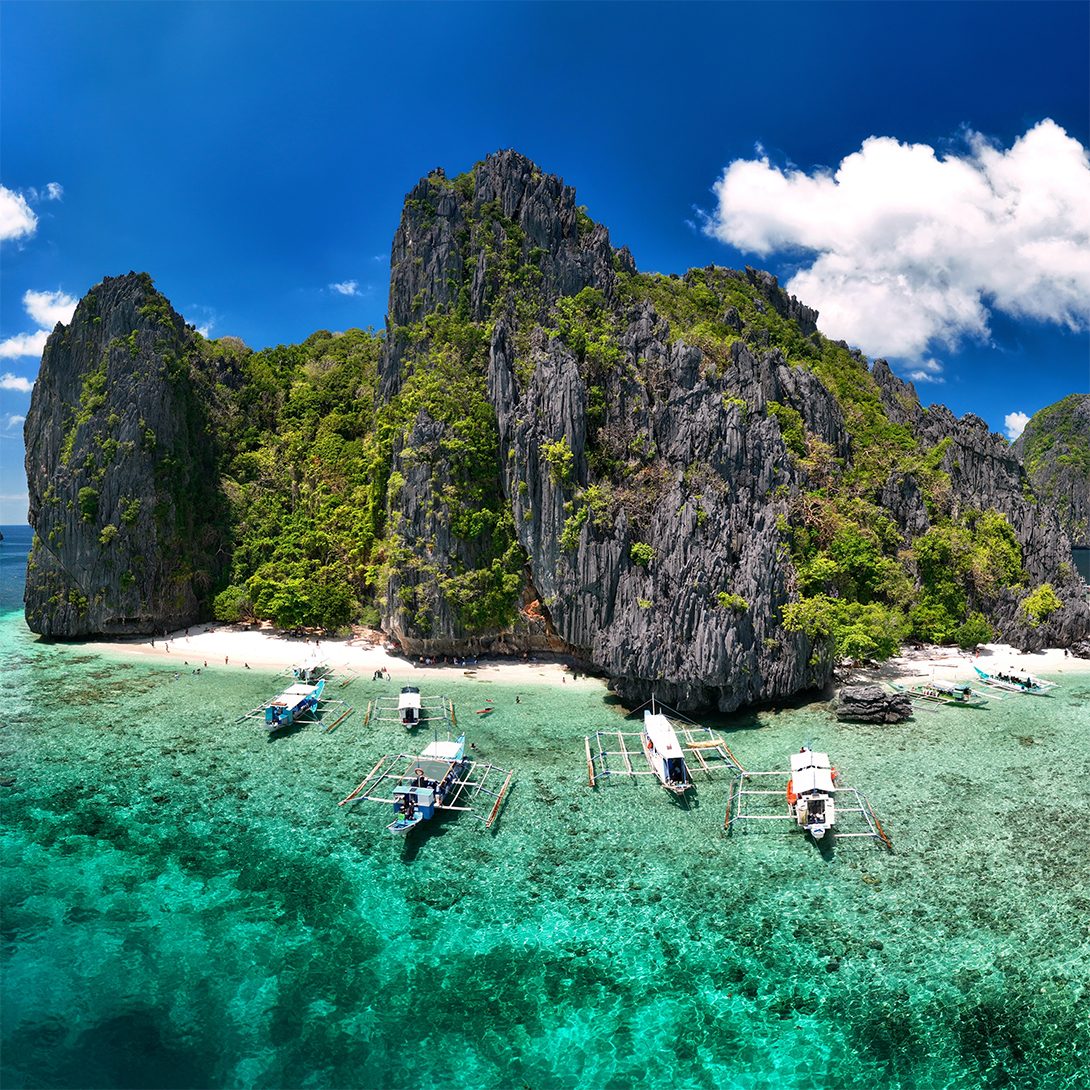
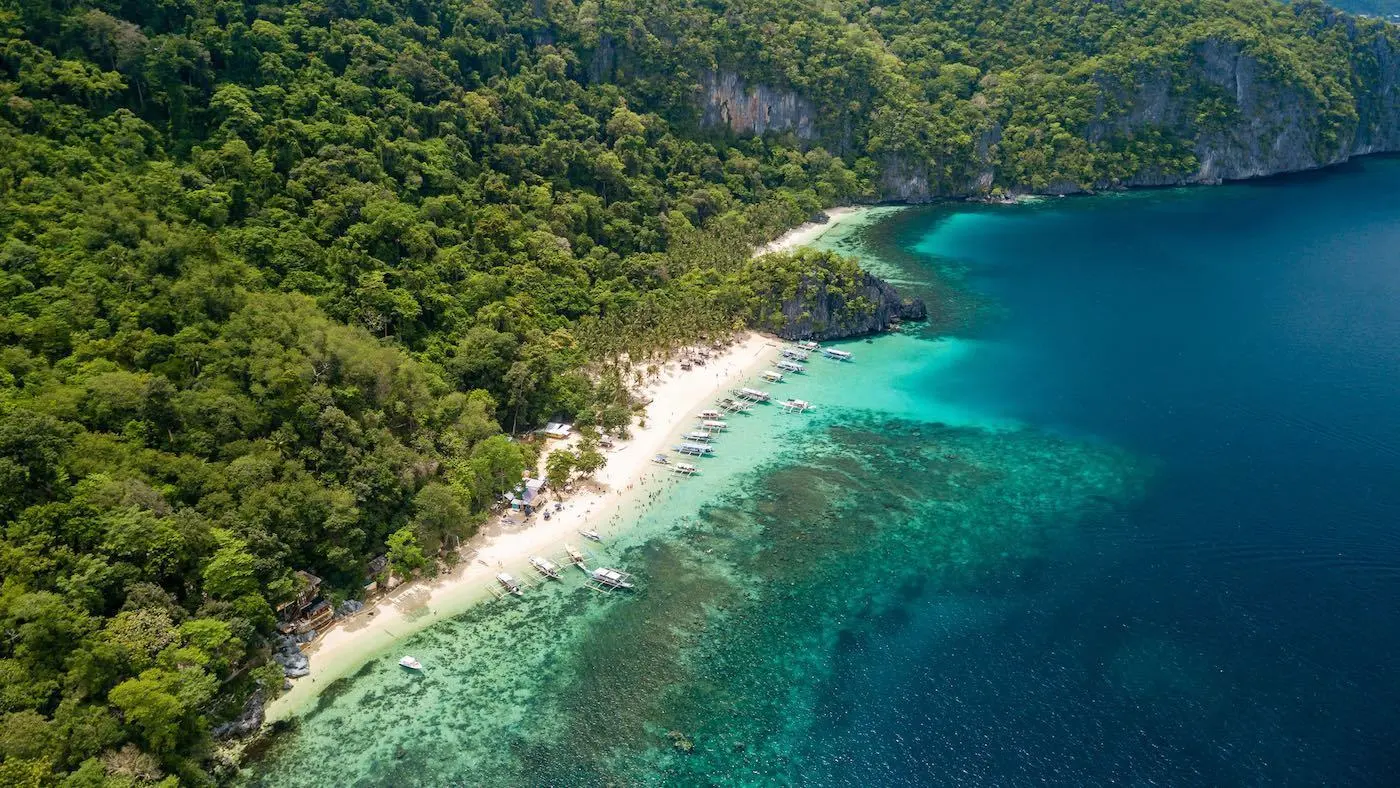
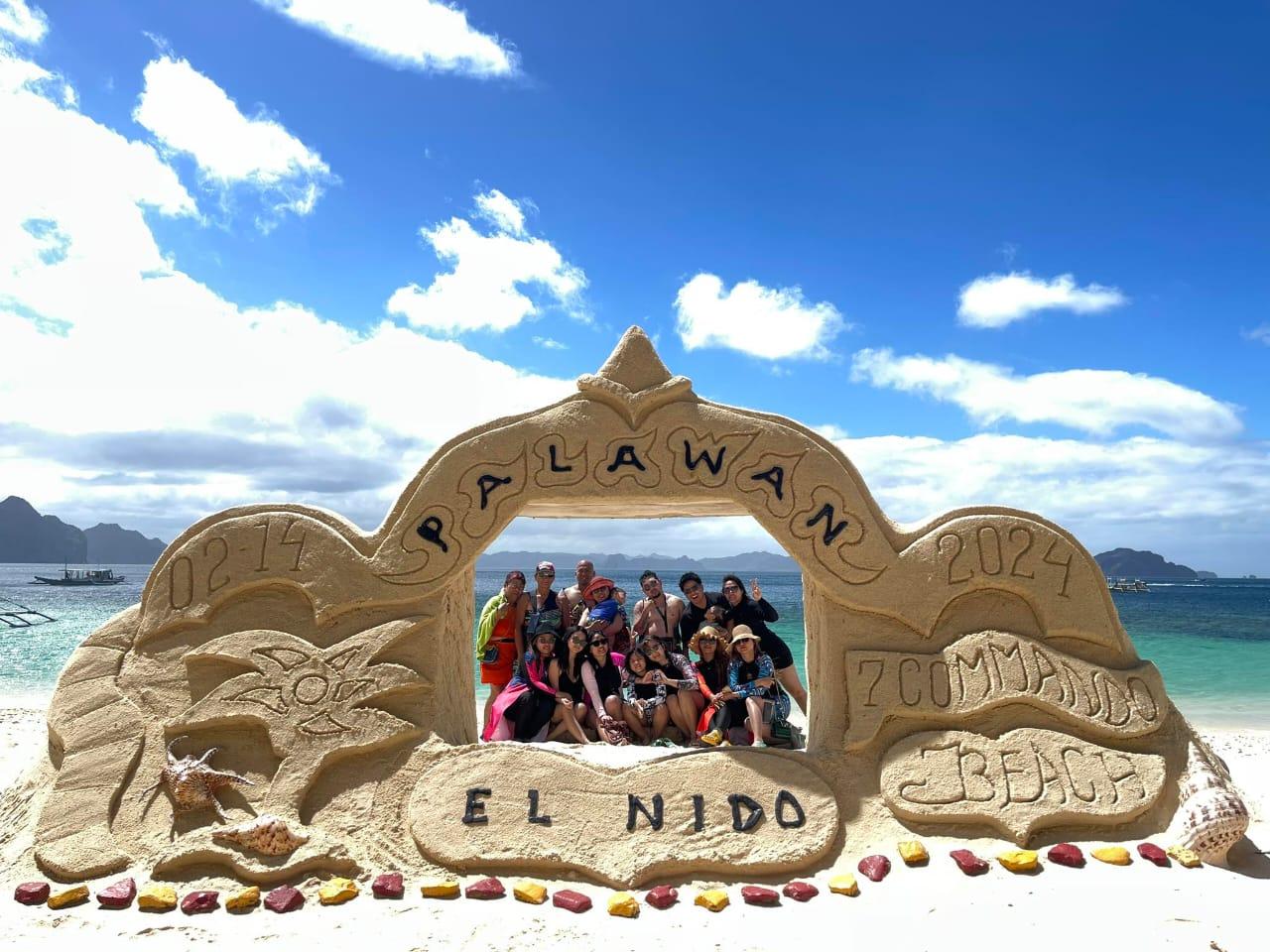
Shimizu Island, named for a Japanese diver who mapped its western reef in 1992, holds the route's deepest snorkeling site—a coral garden that drops from two meters to twelve along a limestone shelf. Visibility regularly exceeds fifteen meters, revealing schools of fusiliers, parrotfish, and occasional blacktip reef sharks that patrol the drop-off. The route closes at 7 Commando Beach, a 250-meter crescent of coarse coral sand flanked by coconut palms and nipa huts. The beach takes its name from a rumored World War II guerrilla camp, though no historical record confirms the presence of Commando units in this sector of Bacuit Bay. What remains verified is the beach's role as the route's only flat-sand anchorage, a logistical necessity that transformed it into the standard lunch stop for tour a operators.
The el nido tour a and c combination, offered by several outfitters as a two-day package, emerged in 2011 when visitors began requesting itineraries that paired Tour A's lagoons with Tour C's Hidden Beach and Helicopter Island. The pairing works because the routes share no overlapping stops, allowing back-to-back days without site repetition. Tour operators report that sixty percent of multi-day bookings now follow the A-then-C sequence, a rhythm that mirrors the tidal cycle—Tour A's lagoons perform best on rising tides, while Tour C's beaches shine during the mid-afternoon ebb.

"By 2003 the municipal tourism office formalized the sequence as Tour A, anchoring it with a mandatory Eco-Tourism Development Fee that funds reef monitoring and waste collection across the Bacuit Bay archipelago."
A step-by-step walkthrough of El Nido Tour a tickets — what you'll see, how long each stage takes, and the details that matter.
You board at El Nido town proper between seven-thirty and eight-thirty, stepping onto an outrigger whose twin bamboo pontoons stretch four meters to either side of the hull.
The boat clears the harbor in twelve minutes, threading between anchored dive vessels and cargo barges before the limestone karsts of Miniloc Island rise into view. Big Lagoon arrives first—your guide cuts the engine at the mouth and hands you a kayak paddle, gesturing toward the jade corridor that opens between the cliffs. You paddle forty meters into the lagoon's throat, where the water glows turquoise over sand ripples visible six meters below.
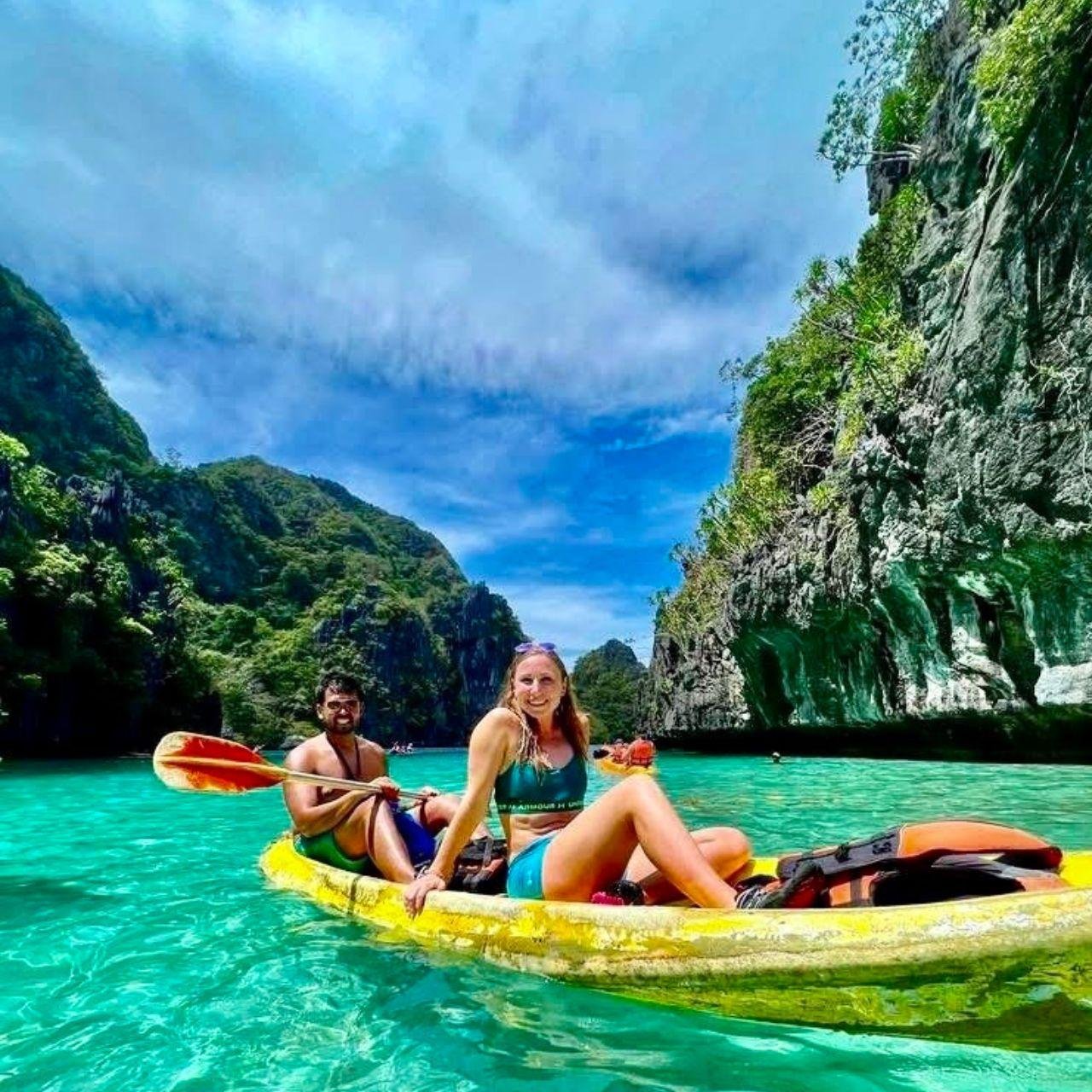
Small Lagoon follows within twenty minutes, its entrance marked by a gap barely wider than your kayak. You pull yourself through hand over hand, the rock walls slick with algae and barnacles, and emerge into a circular basin walled by ferns and bromeliads. Secret Lagoon requires a wade—you drop into chest-deep water and follow a natural tunnel fifteen meters long before breaking into open sky. Shimizu Island's reef appears just before noon, the coral garden alive with damselfish and wrasse darting along the limestone shelf. You snorkel the drop-off for thirty minutes before the outrigger collects you for the final leg to 7 Commando Beach, where grilled grouper and mango wait under a palm-thatch shelter.
The tour operators typically facilitate departures starting from 07:00 daily. You should ensure your tour is confirmed within the standard 07:00–17:00 operation window.
Every visitor must pay the 400 PHP Eco-Tourism Development Fee, which is mandatory per person and valid for 10 days of activities.
The best arrival window is 07:30–08:30 to ensure you beat the crowds at popular el nido tour a lagoon sites.
Yes, many families enjoy el nido tour a, but always confirm safety equipment like child-sized life vests with your specific boat operator.
Cancellation policies vary by operator; however, the mandatory 400 PHP Eco-Tourism Development Fee is generally managed by the municipality and cannot be refunded by the tour provider.
Yes, a standard el nido tour a tour includes a buffet-style lunch and fresh fruit during the island-hopping stops.
You can book el nido tour a tickets through local agencies in the El Nido Town Proper or through official online platforms.
Yes, the Big Lagoon is one of the iconic landmarks included in the itinerary for el nido tour a.
Most tour operators in the El Nido Town Proper can assist with bag storage or suggest local options for your el nido tour a gear.
The tour fee typically covers the boat, guide, and lunch, while the 400 PHP Eco-Tourism Development Fee is a separate mandatory cost.